
What is Aviation and How Has It Developed?

Aviation encompasses the technologies, vehicles, and activities that enable the transport of people and cargo by air. Airplanes, helicopters, unmanned aerial vehicles, and other aircraft are among the fundamental elements of this sector. Today, aviation is of great importance not only for transportation but also for defense, health, trade, tourism, and scientific research. With the advancement of technology, air transport has become faster, safer, and more accessible. The history of aviation is based on a long development process that began with humanity's dream of flying. Many scientists and engineers have contributed to this field, from the first attempts at flight to the development of powered aircraft. The first powered and controlled flight, carried out by the Wright Brothers in 1903, is considered the beginning of modern aviation. In the following years, aircraft technology developed rapidly, and passenger transport became an important part of international travel. Today, the aviation sector is constantly being renewed through advanced engineering systems, digital technologies, and global transportation networks. The ability to cover long distances in a short time contributes to the development of economic and cultural relations between countries. For information on this subject and to ask your questions, you can examine the relevant online firms on internet pages and review them in detail from here.
The Importance and Application Areas of the Aviation Sector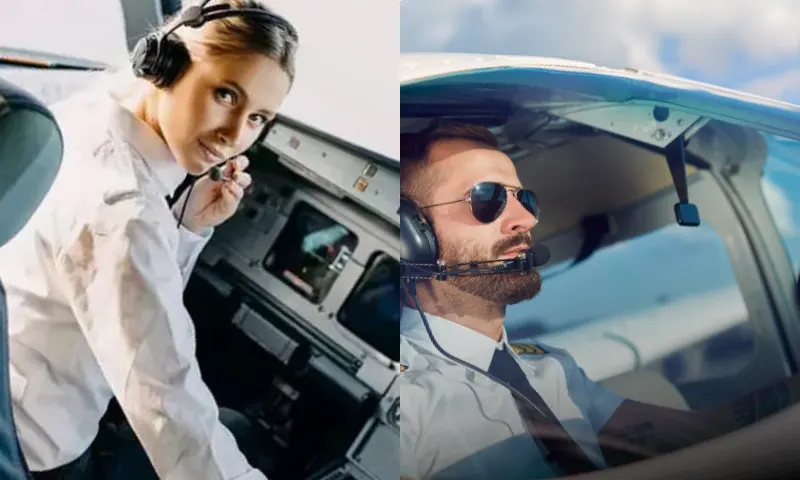
The aviation sector is one of the important building blocks of the global economy. Through passenger transport, millions of people can travel for work, education, vacation, and various other purposes. Air cargo transportation also plays a significant role in international trade. Products that need to be delivered quickly, medical supplies, and technological equipment can be transported by air. In addition to civil aviation, military aviation also constitutes an important part of the sector. Different aircraft are used in defense, reconnaissance, search and rescue, and security operations. Helicopters are used for tasks such as ambulance services, firefighting, and delivering aid to hard-to-reach areas. Aviation technologies are also utilized in different fields such as agriculture and environmental research. With unmanned aerial vehicles, large areas can be observed, crop development can be monitored, and rapid information can be collected from disaster areas.
The Future of Aviation and New Technologies
Sustainability, energy efficiency, and digitalization will play a significant role in the future of the aviation sector. Aircraft manufacturers are working on new engine systems that reduce fuel consumption and carbon emissions. Sustainable aviation fuels are among the solutions being developed to reduce environmental impact. Electric aircraft, advanced navigation systems, and autonomous flight technologies can shape the future understanding of aviation. Furthermore, digital systems used in air traffic management help to conduct flights more efficiently. The development of the aviation sector also increases the need for qualified human resources. Pilots, aircraft technicians, engineers, and air traffic controllers constitute important professional groups in the sector. With technological innovations, aviation is expected to continue to develop, maintaining its importance both economically and socially.