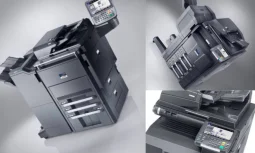
Total Cost of Ownership and TCO Optimization in Office Equipment Selection
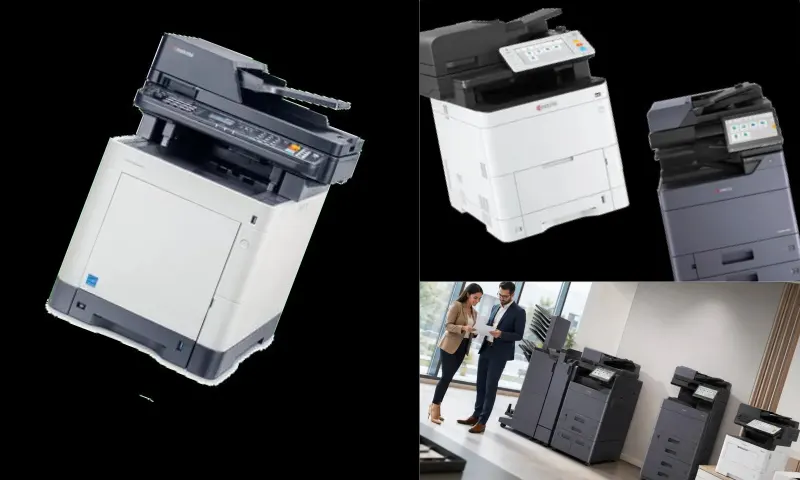
Hardware Durability and Heavy Workload Stability in Office Equipment Infrastructures
In corporate companies, hardware consultancy provided through the https://www.adaburo.com.tr/ platform offers a strong financial advantage to businesses in controlling operational expenditures and preventing uncontrolled budget leaks. Office equipment, which forms the backbone of daily workflows, should be evaluated not only by its initial price tag but also by the volume of toner consumed, drum life, failure intervals, and energy consumption. Peripherals such as multifunctional laser printers, industrial copying systems, and high-capacity paper shredders can create significant holes in the company budget in the medium term if their total cost of ownership (TCO) is not calculated correctly. Finance departments, which handle intensive invoicing, contract preparation, and official archiving processes, maintain their capital balance through efficient models that keep the cost per page at the level of cents. Real user experiences prove that companies that conduct a detailed TCO analysis before purchasing or leasing achieve measurable savings of at least forty percent in annual peripheral operating expenses.
Energy Saving and Green Office Standards in Office Equipment Hardware
A mechanical failure in documentation centers operating continuously throughout the day in office environments can halt the work of dozens of personnel within the company, paralyzing the workflow. To prevent such crises, office equipment should be equipped with ceramic drums suitable for heavy duty cycles, reinforced paper paths, and high-torque drive gears. While standard consumer-grade devices may experience overheating and mechanical jamming issues after a few thousand pages, industrial-standard systems produce hundreds of thousands of prints without calibration loss. Static electricity-inhibiting feed trays and duplex sensors reduce paper jams to almost zero, ensuring uninterrupted workflow. Sectoral references show that offices with hardware that has high mechanical resistance reduce unplanned service call rates by over seventy percent and minimize hardware upgrade depreciation to the lowest level. To adopt sustainability principles in modern work architecture and curb electricity costs, the consumption characteristics of corporate equipment must be meticulously monitored. New generation office equipment with advanced fuser technologies reaches operating temperature from deep sleep mode within seconds, preventing the device from generating unnecessary heat and electricity throughout the day. Power circuits that return to energy-saving mode within microseconds after printing or scanning is completed directly reduce the office's carbon footprint. Low ozone emissions, lead-free internal components, and a quiet mechanical body structure preserve indoor air quality and acoustic comfort in open-plan offices. According to field feedback, peripherals with international environmental certifications such as Energy Star add corporate prestige to companies' green office vision while reducing their overall expenses.