
How to Increase Energy Efficiency with Building Information Modeling?
How to Achieve Collaboration with Building Information Modeling?
Building Information Modeling offers various ways to increase energy efficiency. BIM is used to simulate and analyze the energy performance of buildings. In the design phase, different building materials and systems are tested on the model to minimize energy consumption and heat loss. This way, energy-efficient solutions are determined before the project even begins. BIM optimizes the potential for natural light and heating by evaluating environmental factors such as sunlight and shadow analyses. The performance of HVAC (heating, ventilation, and air conditioning) systems is optimized through BIM, reducing energy consumption. You can visit the web address https://idecad.com.tr/architecture-engineering-construction/building-design/what-is-bim-building-information-modeling/ to learn more about Building Information Modeling.
What are Building Information Modeling and Legal Regulations?
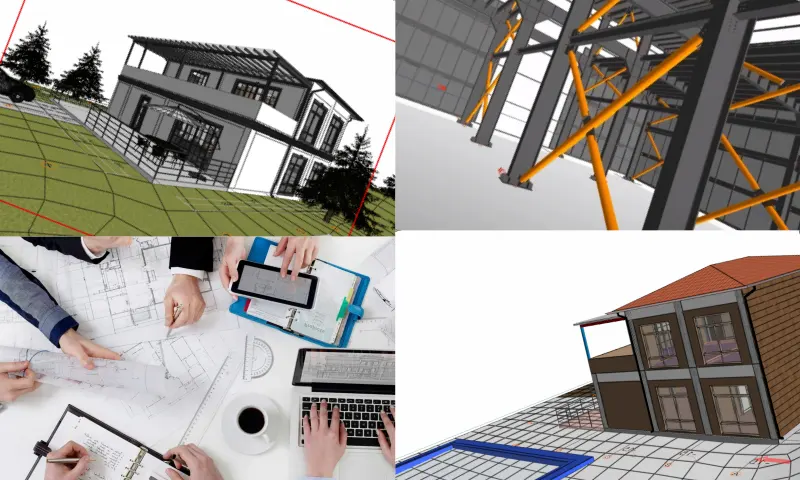
Building Information Modeling offers powerful tools to enhance collaboration. BIM enables all project stakeholders to work on a single digital platform, making communication and information sharing more efficient. Architects, engineers, contractors, and other stakeholders from different disciplines integrate their designs by working on a common BIM model. This integration facilitates clash detection and resolution. Cloud-based Building Information Modeling platforms allow all participants to make changes to the model in real-time and see these changes instantly. Building Information Modeling has become a legal requirement for construction projects in many countries. Legal regulations for BIM use aim to increase standardization and quality in the construction industry. Some countries mandate the use of BIM in public projects of a certain size, ensuring that projects are managed more efficiently and transparently. BIM standards and protocols ensure that project data is consistent and compliant. In the UK, the BS EN ISO 19650 standard provides an internationally recognized framework for BIM management and organization.