Basic Features and Advantages of Smart Technologies at Home

Smart technologies at home are a set of digital solutions that make daily life more comfortable, efficient, and secure. These technologies typically consist of devices that can be controlled via an internet connection. Smart thermostats, smart lighting systems, security cameras, and smart speakers are common examples of such technologies. Smart home technologies can help users save energy; for example, smart thermostats prevent energy waste by adjusting the home's temperature as needed. Additionally, remotely controllable lighting systems optimize light levels according to needs, saving homeowners on their electricity bills. Connecting every device in the home via the internet allows users to control these devices from anywhere, providing comfort and convenience. For information on this topic and to ask your questions, you can check the relevant online companies on web pages and examine them in detail from there.
The Role of Smart Security Systems at Home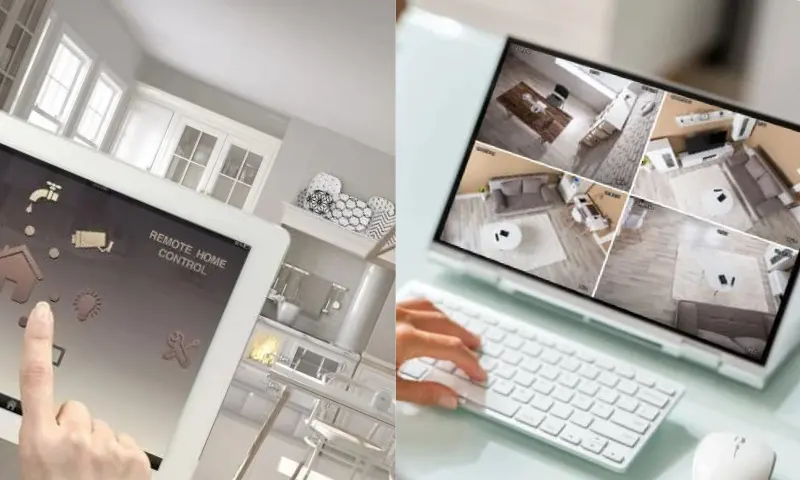
Smart security systems at home play an important role in increasing family safety. Devices such as smart security cameras, motion sensors, and door and window sensors allow homeowners to monitor and control their homes remotely. These systems keep us alert to potential dangers by sending instant alerts. For example, when a door opens or motion is detected, the user receives a notification on their mobile phone. Smart security systems not only protect against threats like burglary but can also detect emergencies such as fire and gas leaks. These systems provide homeowners with a greater sense of security while also facilitating the monitoring of guests or children entering the home.
The Future of Smart Technologies at Home and Sustainability
The future of smart technologies at home will be more closely related to sustainability and energy efficiency. Smart home systems not only increase user comfort but also offer environmentally friendly solutions. Smart energy management systems, beyond just saving energy, offer homeowners the opportunity to leave a smaller carbon footprint. Smart devices can automatically identify devices that are off and manage energy usage efficiently. In the future, technologies such as artificial intelligence and machine learning will enable smart systems at home to be further optimized, allowing users to manage their homes more efficiently. Over time, these systems will continue to develop, enabling smart homes to be integrated into sustainable lifestyles.