The Sector Shifts to Decoration
According to the April 2014 report of the electrical equipment manufacturing industry, within which the lighting sector operates, it is observed that the lighting sector is experiencing accelerated growth. Both the demand within the sector and the number of companies or entrepreneurs supplying this field have significantly increased. The 18th century is seen as the year the sector began to develop. With the advent of light being used in street lamps and the global desire to implement this application, the sector gradually began to shift towards mass production. While lighting was initially used out of necessity, with the advancement of technology and an increase in innovations in design, it has now started to be used in the decoration sector as well. During periods of varied design efforts, the quality of light was not prioritized. However, this has been addressed today with both more effective illumination and more modern designs.
The general purpose of lighting is to illuminate the desired area correctly and without straining the eyes. Once it was realized that maximum light did not necessarily equate to a clearer image, design innovations began in lighting fixtures.
The Bulb Loses Its Importance
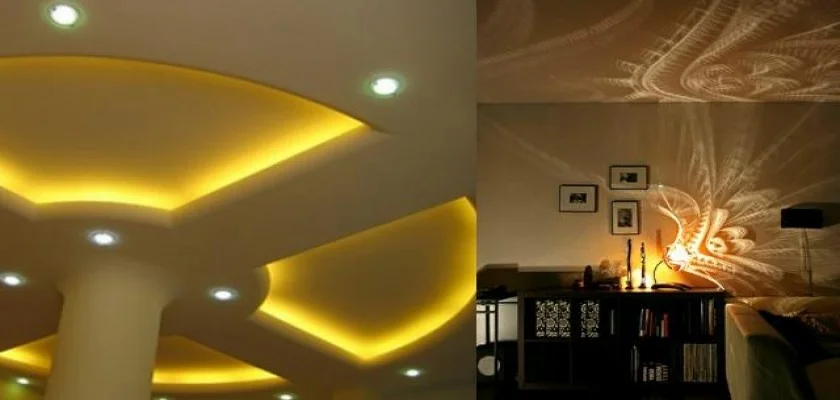
As a result, the decorative lighting sector emerged. Light for decoration can be used to make an object or area appear different, to reveal fine details, or to change the atmosphere of a space. Particularly with the increasing importance of interior designers in home designs, people have pressured lighting companies to innovate by making demands for functionality and aesthetic appeal.Bulbs are the most affordable products in the lighting sector because they are easy to produce and form the basis of illumination. However, with the decreasing prices of light fixtures and various other lighting products, and as these products have become more modern in design, they have begun to replace the bulb. While the bulb still holds its leadership as the primary lighting product, various lighting products are used in interior and exterior commercial lighting, home designs, and office hidden lighting. The reasons for this are their flexible structure, high energy efficiency, and minimalist designs. Predictions for the use of lighting products in the coming years suggest that bulbs will be used more in commercial and street lighting, while smaller and more colorful lighting designs will be more prevalent in homes, offices, and personal spaces.
www.aydinlatmapasaji.com