Various Usage Areas
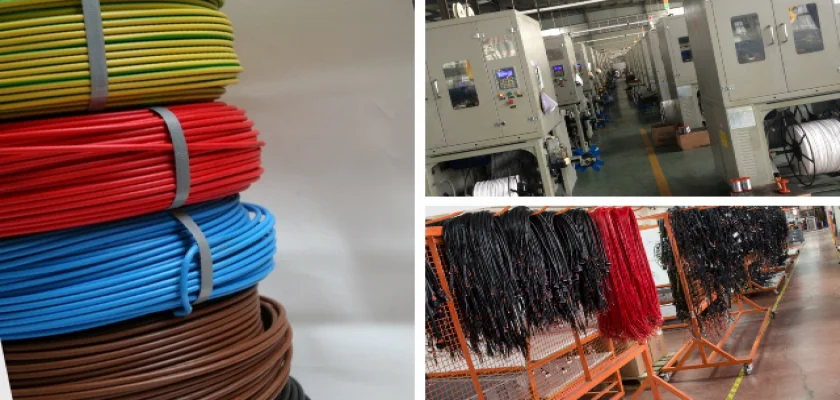
Cables, used in the transmission of electric current and covered with an insulating material on the upper side, are called cables. The metal wires covered with an insulating material are present in more than one. These conductive wires within the material that transmit electric current can appear as a wire woven from aluminum and copper or a wire woven from thin wires. For the same amount of current to be carried, aluminum-woven wires need to have a ½ larger diameter than copper. For this reason, it is necessary to use copper cables in areas where space is a problem. Aluminum's area of preference is generally on overhead lines. In daily life, electric current is used in every field. Cables are present in all areas of our lives to avoid any harm from these electric currents. We need cables everywhere: in the air, underground, in computers, televisions, refrigerators, washing machines, computers, dishwashers, irons, etc. Cables used underground are laid with a channel system and face excessive moisture. Cables used in the air are covered with lead and can be used in polar regions.
Different Types of Cables
Since the electric current intensity is not transmitted at the same level to every area, each area has its own special cable types. It is more appropriate to prefer cables equipped with insulation power that can withstand and not transmit current power outwards. Cables are classified according to their types as straight, cross cable, UTP cable, shielded cable, coaxial cable, patch cable, steel-armored cable, etc. Each has a different usage area and electric current power. They must be installed in areas where conditions do not allow for underground installation. Cable types suspended in the air are carried on steel hangers. These cables, which are economical and easy to maintain, are used in large businesses and factory areas. To create a more durable structure, precautions must be taken in advance against wear and tear caused by moisture, corrosive atmospheres, and tree branches.
tr.prysmiangroup.com