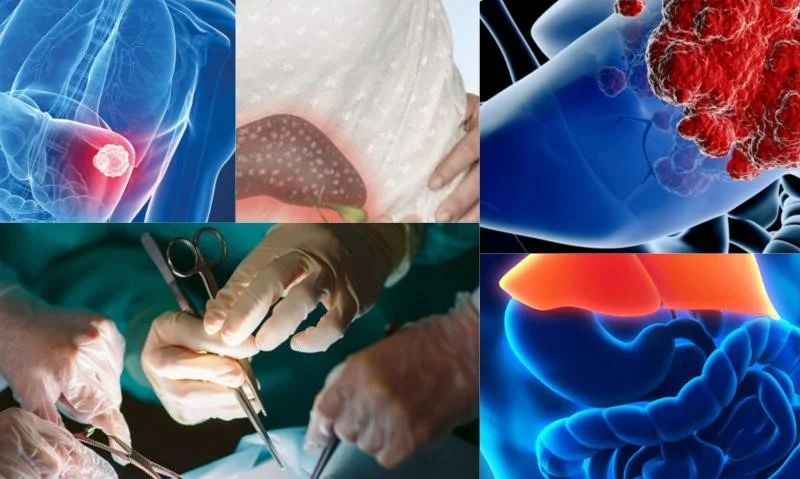
Reactions of the Body to the Formation of a Mass in the Liver
The formation of a mass in the liver, an extremely important organ for the body, can negatively affect a person's general health. Masses usually consist of benign tumors, but can also be malignant tumors or metastases that have spread to the liver from other organs. Early diagnosis and treatment are crucial for this condition, which is observed in individuals with cirrhosis, advanced fatty liver disease, and chronic hepatitis B and C. Masses in the liver can progress insidiously, and many patients show no symptoms. Even if you have no symptoms, you should have routine health check-ups with specialists like . While masses are more frequently detected through routine check-ups, some symptoms may also appear with their formation.
Methods Applied for Disease Detection
The body may react to the formation of a mass in the liver. These reactions include symptoms such as fever, jaundice, weakness, abdominal pain, weight loss, vomiting, and nausea. In advanced stages of the disease, seeking medical attention due to symptoms can lead to a more challenging treatment process. Doctors, consulted by health-conscious individuals, may perform a biopsy to make a definitive diagnosis. Different treatment methods can be applied depending on the nature of the liver mass diagnosis. Treatment can be carried out with radiotherapy, smart drugs, immunotherapy, chemotherapeutic drugs, or radioactive spheres. Besides a biopsy of the mass, other methods are also available for disease detection. Diagnosis is also possible through methods such as alpha-fetoprotein testing, computed tomography, ultrasonography, and magnetic resonance imaging. Treatment options for diagnosed patients begin immediately. During this process, by following your doctor's recommendations, you will have access to options that can improve the treatment process. Consult your doctor to get detailed information about suitable solutions through personalized treatment options.