
What is Skiing?
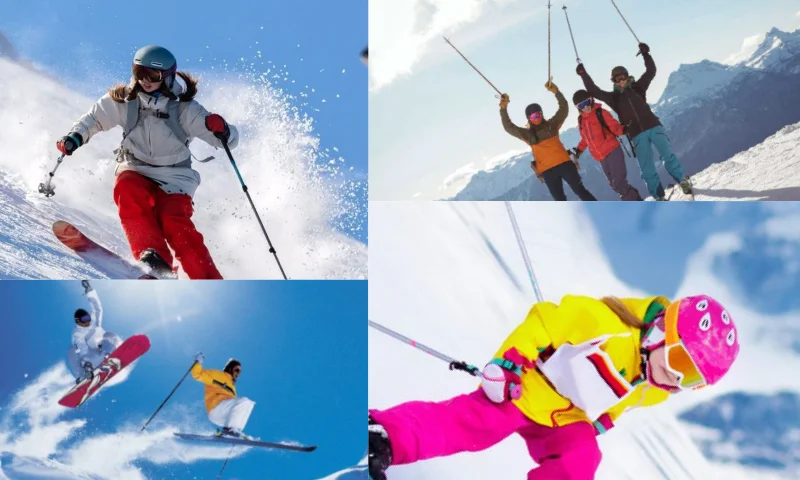
Skiing is a winter sport practiced on snow, which can be done for recreational purposes as well as in competitions. Skiing is an activity done with the help of skis attached to the feet and ski poles. Skiing is popular for both physical activity and enjoying nature. It can be practiced in snowy mountains during winter, at ski resorts, or on natural ski trails.
Types of Skiing
Skiing offers variety with its different types. Here are some commonly known types of skiing:
- Alpine Skiing: Alpine skiing is a skiing sport that combines speed, technique, and skill. It consists of different disciplines such as slalom, giant slalom, super giant slalom, and downhill. Alpine skiing requires skiing at high speeds, navigating gates, and utilizing technical skills.
- Freestyle Skiing: Freestyle skiing emphasizes creativity, acrobatic movements, and stylistic skiing techniques. Skiers perform moves such as jumping off ramps, spinning, turning, clearing obstacles, and executing complex figures. Freestyle skiing has gained popularity among young people as a dynamic and energetic sport.
- Nordic Skiing: Nordic skiing refers to a group of skiing sports that include different types such as cross-country skiing and telemark skiing. Cross-country skiing involves long-distance races on flat or undulating terrain, while telemark skiing aims for descents using flexibility and balance. Nordic skiing requires endurance, coordination, and the ability to move freely in nature.
Health Benefits of Skiing
Skiing offers a range of health benefits beyond just being a fun winter activity. Here are some of the health benefits of skiing:
- Cardiovascular Health: Skiing has positive effects on the cardiovascular system. Intense physical activity increases heart rate and speeds up blood circulation. This helps to strengthen the heart muscle, dilate blood vessels, and lower blood pressure. These effects on cardiovascular health help reduce the risk of heart disease and improve overall endurance.
- Muscle Strength and Endurance: Skiing helps strengthen your leg and core muscles. Skiing activates your leg muscles (quadriceps, hamstrings, gastrocnemius) and hip muscles (gluteus maximus). This leads to stronger leg muscles, increased endurance, and improved muscle structure. At the same time, you also work your core muscles (abdominal and back muscles) to maintain balance while skiing.
- Balance and Coordination: Skiing improves your balance and coordination skills. While skiing, you need to maintain balance and move on variable and slippery terrain. This enhances your ability to balance your body, improve your reflexes, and control your movements. Good balance and coordination are also beneficial in daily life activities and other sports.
- Weight Management: Skiing helps with weight management by increasing calorie expenditure. Intense physical activity increases energy expenditure and allows your body to burn fat. At the same time, the effect of low temperatures while skiing increases metabolic rate. This helps you achieve your weight loss or weight maintenance goals.
- Mental Health: Skiing helps reduce stress and improve mental health. Engaging in physical activity in nature stimulates the release of endorphins and improves mood. It also increases blood flow to the brain, carrying oxygen and nutrients. This creates a sense of relaxation and relief from the source of stress.





