
What is a Bolt Used For?
What are the Types of Bolts?
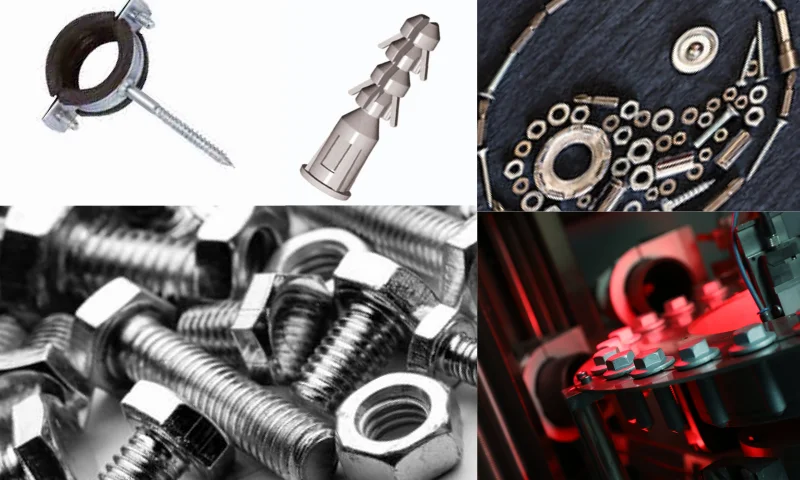
A bolt is a large-headed material used for the purpose of joining metal and wood products, where holes of the thickness of the bolt are drilled into the products to be joined. Bolts are not used alone; they are used in conjunction with a round material known as a nut, which has a hole on both sides and serves to tighten the parts. Bolts, generally used in the construction sector and machine industry, are easily passed through pre-drilled holes and provide a joining process with the help of a nut. It is a fastening tool with a large head, hexagonal shape, and cylindrical appearance. You can visit the web address to view bolt types and purchase the one you need.
In Which Areas Are Bolts Used?
Bolts are specially produced in different ways according to their usage areas. They are divided into two different parts, such as the head and the body, which constitute the structure of the bolt. There are different types of bolts according to these two different parts. Based on head shapes, there are types like hexagonal head, allen hex, countersunk head Phillips, countersunk head slotted, flexible hexagonal head, flexible allen, countersunk head allen, and lens head slotted. Based on body shapes, there are different types such as studs, tension bolts, threaded pins, sheet metal screws, self-drilling screws, wood screws, flexible bolts, and bolts with tolerance in the body. It is possible to select the most suitable fastening elements after detailed examination according to your needs and the areas where they will be used. Bolts are produced in different types and sizes. Production is carried out specifically depending on the humidity, temperature, and flexibility requirements of the usage areas. While the manufacturing method of this equipment was manual, with the advancement of technology, it is now rapidly produced in series in factories. It is widely used in automotive, machine industry, construction machinery, and all vehicle production sectors where fastening is required. It is also preferred in pipelines that are in contact with water due to its stainless structure.





