What Does a Boiler Do?
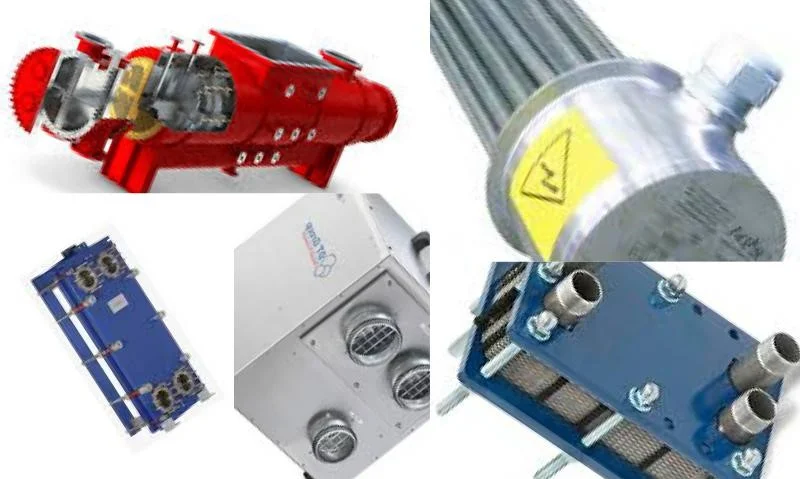
Types of Boilers
A boiler is also known as a water heater tank. It contains a coil. Thus, it can be defined as a pressurized vessel that heats and stores water. With the increasing use of central heating systems in crowded living spaces, the demand to meet hot water needs from central systems has arisen. Boilers require water at a constant temperature of 90-70 C. For this reason, a separate boiler is essential for the boiler to operate. However, if the building and the boiler are to be heated using the same boiler, a three-way valve must be used. For detailed information, you can review the page https://www.vefaheat.com/tanklar-2/hizli-boyler/. With the development of technology, it has become more efficient to use.
Boiler Usage Areas
You can find the types of boilers listed below.
- Jacketed boiler
- Coiled boiler
Jacketed Boilers are divided into three categories:
- Fixed Flange
- Removable Domed Flange
Necked
- Coiled Boiler
- Removable Domed Flange
It is divided into two categories: Necked. In addition to these types, there are other types of boilers. These types can be listed as follows:
- Single Coiled Boiler: Heats and stores water with a single coil.
- Double Coiled Boiler: A type that heats with a double coil to provide more instantaneous heating.
- Electric Boiler: A type of boiler that heats using electrical energy when there is no heat source in the environment.
To ensure greater hygiene in boilers, the interior should be coated with titanium enamel. Also, since the main structure of boilers is composed of enameled pipes and silicon, they should not contain heavy metals and must be manufactured in accordance with RoHS values and EU standards. When boilers are not in use, they store the hot water inside for a very long time. Boilers have become the preferred choice for use as central hot water preparation systems instead of individual hot water production, especially in crowded living spaces. Examples of crowded living spaces include areas with high collective hot water needs such as factories, barracks, hotels, dormitories, apartment buildings, hospitals, and construction sites.