
Thermal Insulation
Why is Thermal Insulation Done?
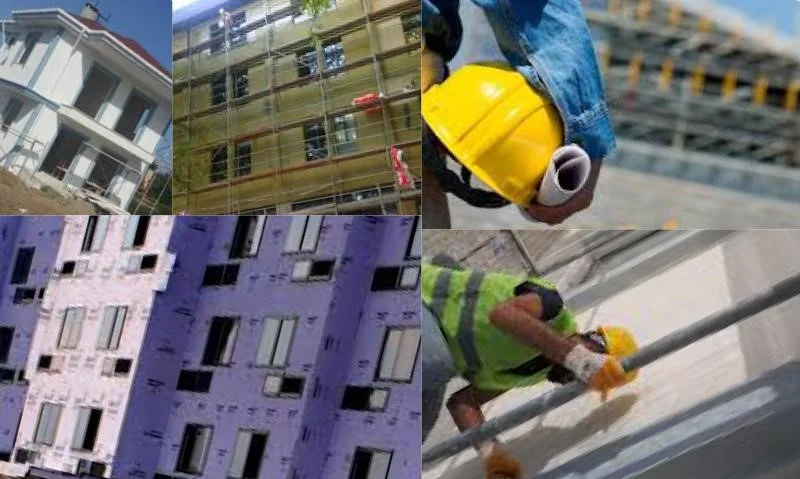
Thermal insulation applications are made to prevent heat loss in buildings, facilities, or living spaces inhabited by people or animals, thus ensuring they are less affected by the outside environment and reducing heating costs economically. Technically, the facade insulation applied involves various application methods depending on preference. Although thermal insulation applications, which have been implemented worldwide for over 50 years, are known as 'mantolama' (cladding), it is also possible to apply materials with thermal insulation properties to facades in ways other than mantolama. Nowadays, the most commonly used thermal insulation material is styrofoam. However, besides styrofoam, applications like glass wool, rock wool, and similar materials are also possible. You can contact our company at [company website address] for all kinds of facade manufacturing and renovation work to get information. Different decorative applications can also be made on the insulation to change the architectural aesthetics of the building.
How is Thermal Insulation Applied?
Thermal insulation systems are used in all recently constructed buildings. Thermal insulation ensures that the heat of the indoor and outdoor environments are kept separate, allowing for less fuel consumption in winters and maintaining the indoor temperature at the desired level. This also means a reduction in heating costs, providing financial savings through heat conservation. Thermal insulation extends the lifespan of buildings while also increasing comfort in living spaces. In addition to thermal insulation, it also provides waterproofing, protecting people and living beings from discomfort caused by moisture, dampness, and their related issues. Thermal insulation can be applied at low costs, but the economic benefits it provides result in much greater profit than its cost. Thermal insulation can be applied to many areas, starting with reinforced concrete structures. The materials used in thermal insulation vary. The primary thermal insulation material is styrofoam and its derivatives. In addition, glass wool and rock wool are available on the market in both blanket and board forms. Among these products, styrofoam is the cheapest. Styrofoam, glass wool, and rock wool differ in their areas of application. For the application method, any imperfections on the surface or conditions that would hinder application must be eliminated from the facade. The surface is cleaned as a preliminary step for thermal insulation application, and then styrofoam is applied using adhesives. If a different facade work is desired on the surface, after the application, anchor profiles and similar applications required by the designed facade are made, and glass wool or rock wool is used according to preference. Subsequently, if mesh application, plaster application, or a different wall work is desired, processes such as ceramic adhesion and similar operations are carried out, concluding the thermal insulation process along with the facade.





