How Did the History of the Hamam Begin?

The history and significance of the hammam date back to the oldest cleanliness and socialization habits in human history. The first examples of hammams are found in Antiquity. Especially during the periods of Ancient Greece and the Roman Empire, hammams were used not only for cleaning but also as centers of social life. Roman baths attracted attention with their sections divided according to temperature, architecture, and engineering solutions. This culture was later transferred to Anatolia and gained a different dimension with Islamic civilization. During the Seljuk and especially the Ottoman Empire periods, hammams became indispensable structures of city life. Ottoman hammams stood out with their architectural elegance, domes, and marble craftsmanship; they held an important place in both public and palace life. For information on this subject and to ask the questions you are curious about, you can look at the relevant online firms on the internet pages and examine them in detail from here.
What is the History and Significance of the Hamam from a Cultural Perspective?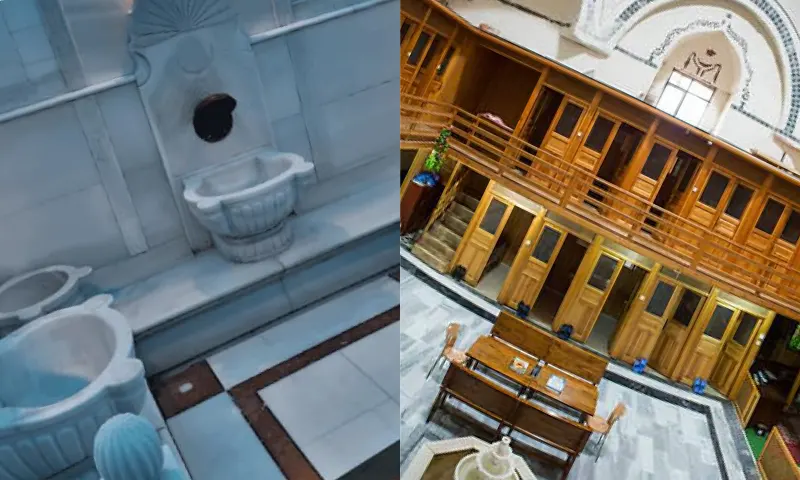
The history and significance of the hammam are not limited to just cleanliness; it also holds great value from a cultural and social perspective. In the Ottoman period, hammams were places where people gathered, chatted, and socialized. Especially for women, the hammam was considered one of the most important meeting places for social life. Traditions such as the bridal hammam, postpartum hammam, and pre-holiday hammam visits clearly show the place of hammam culture in society. These rituals have made the hammam not just a building, but also a tradition and a way of life. Hammams were seen as important social spaces that strengthened the culture of solidarity and sharing in society.
How is the History and Significance of the Hamam Evaluated Today?
Today, the history and significance of the hammam are evaluated both as cultural heritage and for health reasons. Historic hammams are preserved through restoration efforts, brought to tourism, and serve as a bridge from the past to the present. For local and foreign tourists, the Turkish bath is a special way to experience traditional life. Furthermore, hammam culture has also become a source of inspiration for modern spa and wellness concepts. Heat, steam, and scrubbing applications contribute to muscle relaxation, increased blood circulation, and mental relief. In this regard, the hammam maintains its importance for both physical and mental health.