
Environmental Impacts of Electric and Electronic Vehicles
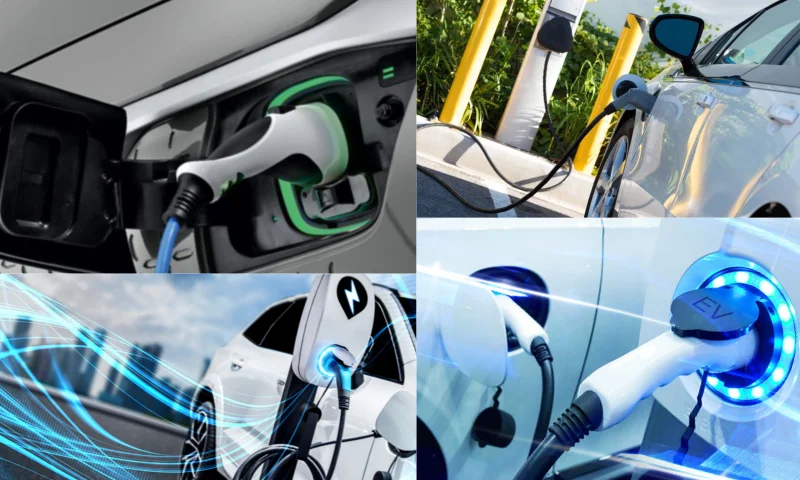
Electric and electronic vehicles have a lower environmental impact compared to traditional internal combustion engine vehicles. These vehicles are powered by cleaner energy sources instead of fossil fuels. Therefore, they result in fewer greenhouse gas emissions and less air pollution. However, their production has other environmental impacts, such as battery manufacturing and waste management. Therefore, electric and electronic vehicle manufacturers are striving to minimize environmental impacts through sustainable production and waste management practices. For information on this topic and to ask your questions, you can browse the relevant online firms on the internet pages and review them in detail from there.
Technological Developments
Electric and electronic vehicles are continuously evolving with technological advancements. For example, developments such as more efficient battery technologies, fast charging technologies, autonomous driving technologies, and high-performance electric motors are helping these vehicles become more widespread. Additionally, developments such as digital connectivity technologies, driver assistance systems, and environmental sensing sensors are also making electric and electronic vehicles safer and more comfortable.
Future Potential Changes
Electric and electronic vehicles will continue to shape the automotive industry in the future. The number of electric vehicles is expected to increase, meaning they could replace gasoline and diesel vehicles. Furthermore, the number of hybrid vehicles is also expected to rise. The widespread adoption of electric and electronic vehicles will require the installation of more charging stations, creating new opportunities for the development of charging infrastructure.





