What is Synthetic Turf? What are its Features?
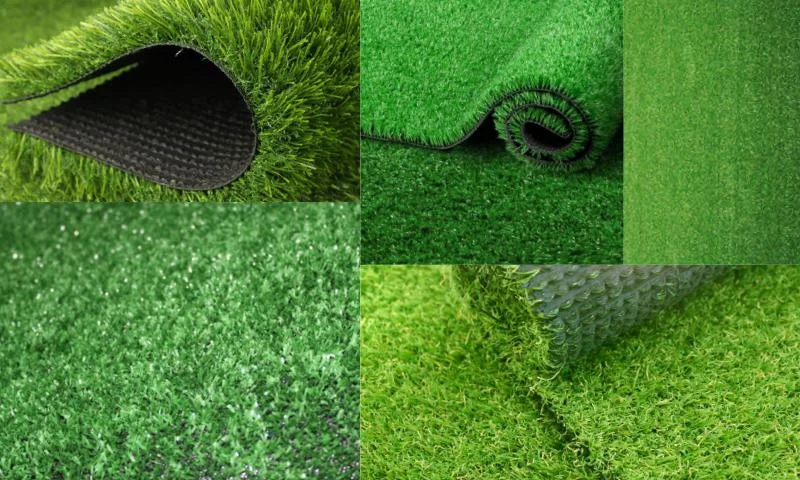
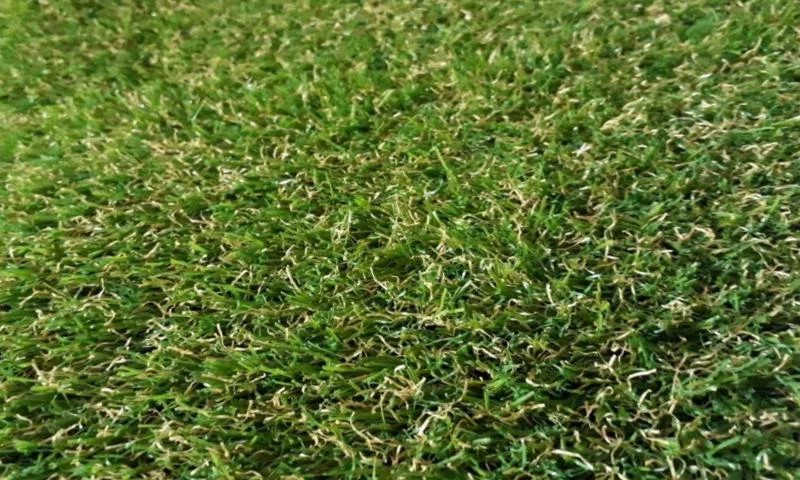
Synthetic turf is a ground covering made by sewing synthetic light or dark green monofilament or fibrillated yarns to a special backing fabric in a specific standard. The raw material of synthetic turf carpet is petroleum-based. Emerging as an alternative to natural grass, synthetic turf is preferred by many sports institutions and facilities due to the advantages it offers.
- Compared to natural grass, artificial turf:
- Requires much less maintenance
- Is not affected by adverse weather conditions to the same extent as natural grass
- While natural grass requires maintenance every season, artificial turf has a lifespan of at least 10 years; thus, it is less costly.
- Minimizes the time and expense spent on maintaining the field.
Features of Synthetic Turf Carpet
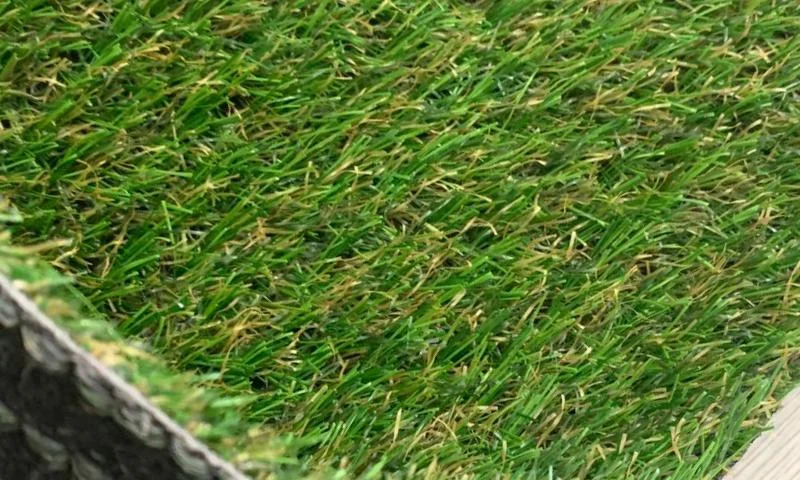
Standards for synthetic turf used for sports purposes are determined by federations. Since its raw material is petroleum-based, synthetic turf is not fixed to the ground during installation to prevent contraction or expansion due to changes in weather conditions; only the seams are glued. This ensures durability in all weather conditions. It is visually equivalent to natural grass.
Usage Areas of Synthetic Turf Carpet
- Stadium
- Indoor soccer field
- Sports fields
- Field hockey field
- Tennis court
- Golf course
- Rugby field
These are the main areas of use for sports purposes. In addition to these areas, synthetic artificial turf is also frequently used for decorative purposes today. Artificial turf made of monofilament yarn is the model most often used to create a natural look. Fibrillated artificial turf, on the other hand, is produced with short pile heights and is available in different colors. You can easily find the type of synthetic turf carpet with the features you are looking for by contacting the relevant online companies on web pages. You can visit online companies for more detailed information.