
What Are the Tips for Mullet Fishing?
What to Pay Attention to?
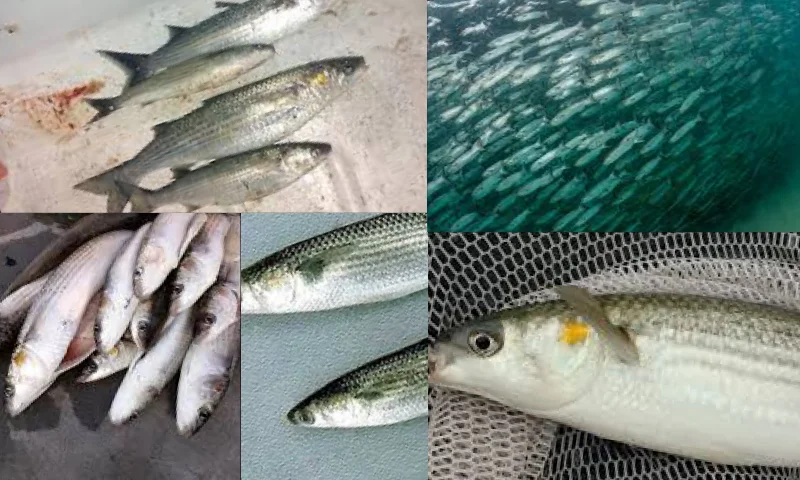
One of the unsuitable times for mullet fishing is midday, especially if there is a wave and wind, most of us wouldn't even cast a line. However, this changes depending on the shape of the wind and wave. If we know our fishing spot, we can turn this disadvantage into an advantage. In the Mediterranean region, if the wind is light and blows from the sea, and the waves break foaming at the shore, then you can catch mullet. Here, the other important point is where they can be caught, especially at midday. The answer is simple: BEACHES! Especially in places with fine gravel bottoms, when the sea is wavy and foamy like this, and people leave the area (at midday, people go for lunch, beaches empty, so there are no swimmers), mullets start to fill the empty spaces. The primary reason for this is the sea bass. In such weather conditions, when the dispersed mullet schools are pressed by sea bass coming from offshore, they enter the beaches. Sea bass generally swim in these types of waters where the gravel ends and sand begins. If the area is rocky, they enter the bottom of the rocks, which, with the help of the waves, pushes the mullets to the shore.
What should we do here?
First of all, we will use a handline and a "Kıbrıs sarması" (a type of bait rig), and we will use bread as bait. While using this, we apply the method of fishing by sight and chumming. We cast the bread mixture we prepared as far as we can into the sea, then we cast it at closer distances, and the fish are encouraged to approach. The second stage is the observation stage; we see the mullets when we look at the inward bending side as the wave rises. We cast the "Kıbrıs sarması" just behind the wave. However, the bread must not have its soft inner part; otherwise, it will sink. We make the rig by rolling the crust part outwards, with the crust facing inwards. There should be no inner bread left so that the bread can float, as we are not using a cork. Before casting, we dip the bread in water and take it out so that it gains a slight weight and is easy to cast. This technique will help you not to return empty-handed from fishing in the summer months, even under the midday sun, with those waves, and despite such adverse weather conditions. Besides mullet, other fish like "sokar balığı" (a type of seabream), "sarpa" (sea bream), and even melanurs fleeing from sea bass can take the bait with this method.





